

RESOURCE
Student‑centered classrooms focus on students’ needs and goals. In contrast to a more traditional classroom, where the teacher primarily directs instruction, a learner-centered classroom positions the teacher as a guide who facilitates collaborative discourse, student-led problem-solving, and timely feedback. When teachers shift from leading classroom activities to guiding and co‑creating learning experiences, the classroom becomes a place where students take ownership of their learning, become more engaged, and develop skills such as agency and collaboration. This article defines what a student‑centered classroom is, outlines its core principles, and offers practical ideas for implementation.
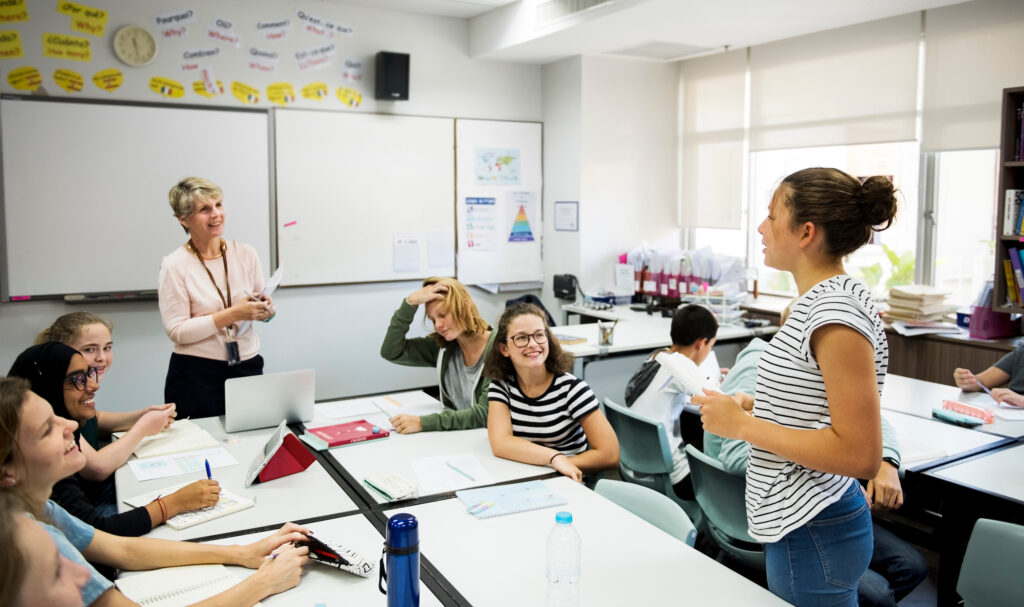
In a student‑centered classroom, students are actively involved in their learning. Students are engaged and ask questions; they take the lead in investigating real-world problems, collaborate with peers, and decide how to demonstrate their understanding.
While project-based learning is one effective way to create a student-centered classroom, this article provides other strategies educators can implement to begin building a learning environment focused on students.
A student‑centered classroom should encourage durable skills like collaboration, communication, critical thinking, and agency. To foster these skills, the physical space plays an important role. Arrange desks and tables in collaborative groupings rather than rows, and offer flexible seating (beanbags, stools, standing desks), allowing students to choose spaces that support their learning. Teacher and students should co-create stations to provide varied tasks such as research, experimentation, creation, and reflection. Use visible displays like anchor charts, visual benchmarking, project paths, and rubrics to keep goals transparent.
The teacher in a student‑centered classroom environment acts as a facilitator and guide. They co-design each student’s learning experience, pose open‑ended questions, and provide resources rather than delivering lectures. Teachers scaffold tasks and adjust instruction based on data from formative assessments.
NTN believes that all classrooms centered on student learning must cultivate a supportive culture. A supportive culture is foundational because it enables students to embrace collaboration, discourse, and the higher-order thinking that they are asked to do in a student-centered classroom. Building this culture requires intentional routines and strategic practices.
Provide learners with voice and choice by providing options for what students learn (topic and reading selection), personalize how they learn (independent work, group collaboration, peer feedback), and allow choices in demonstrating their learning (presentations, videos, portfolios). Ask for feedback from students to improve future lessons, projects, and instructional practices.
Use protocols such as Socratic Seminars and Chalk Talks to allow learners to lead discussions, develop questions, and synthesize ideas. Use the NTN Practices cards for more protocols to encourage discourse for all ages.
Use digital tools for collaboration (shared documents, discussion boards) and flexible seating arrangements that support movement and collaboration. Create stations for research, creative production, and reflection.
Shift the role of the teacher from instructor to facilitator, guiding learners through the discovery process. Instead of providing answers, facilitators encourage students to ask meaningful questions, explore resources, and develop conclusions supported by evidence. Learn more about inquiry-based learning.
Learners investigate authentic problems over several weeks, culminating in presentations or products. PBL fosters growth in problem-solving, collaboration, and communication skills. Learn more about implementing PBL.
Leverage assessment to inform instruction and emphasize learner growth. Use exit tickets, conferences, and reflection protocols to check for understanding and support growth in knowledge and skills over time. Adjust instruction and provide additional support or challenge as needed. Learn more about Assessments in PBL.
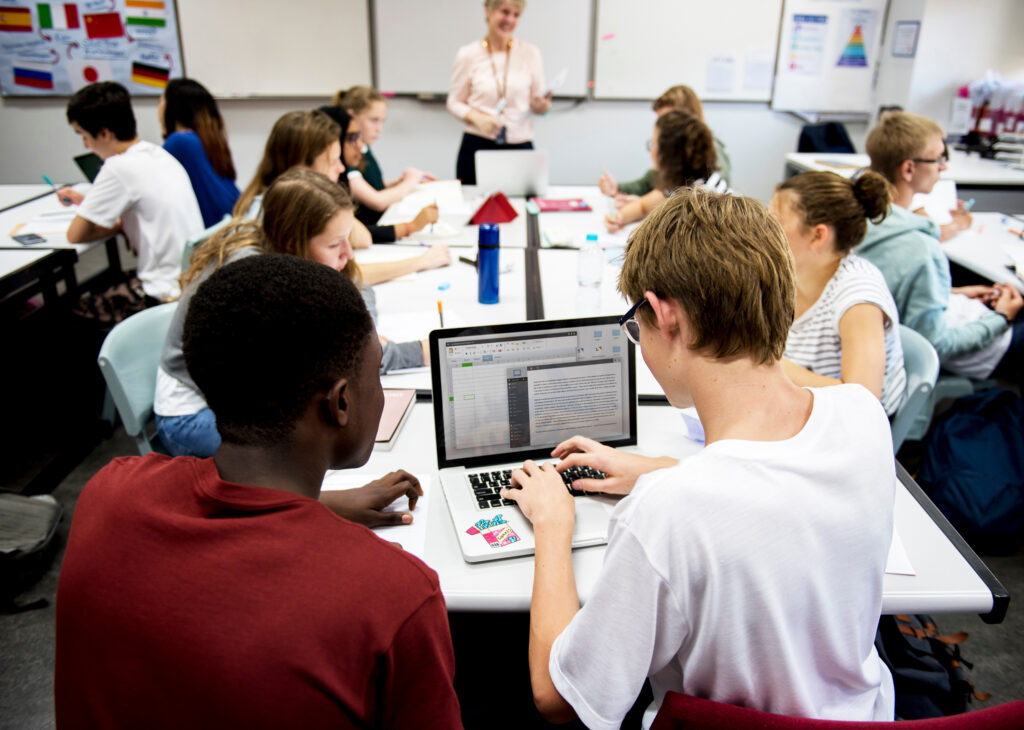
Targeted Peer Feedback/Assessment
Peer assessment provides learners with early, targeted feedback and strengthens their understanding of performance expectations. It also helps students deepen their own learning by evaluating the work of others.
Student‑led discussions and Socratic seminars
Students formulate questions, lead conversations and synthesize insights, taking responsibility for dialogue and analysis.
Learning stations
Rotations where students research, create, investigate and reflect at different stations, promoting self‑paced learning.
Reflection protocols
Practices like “I used to think… Now I think” allows students the opportunity to track changes in their understanding and revise their ideas.
Transitioning to a student‑centered classroom from a teacher-centered approach can be overwhelming. Teachers may worry about their classroom management or worry that students used to more passive learning may resist or flounder. The tips below can help:
Seek professional development on PBL and inquiry and learner-centered practices. Professional learning helps educators feel more confident facilitating learning rather than delivering instruction. NTN offers services for PBL and Learner-Centered Culture, Instruction and Assessment.
Start small
Begin with short student‑centered activities like class discussions or reflection protocols before launching full PBL units. The NTN Practices Cards is a great place to start.
Invite student feedback
Regular student feedback after a project, unit, or lesson helps refine instructional practices, lesson design, and project design and ensures that students’ voices matter.
Co‑create clear expectations
Collaboratively develop class agreements and revisit them regularly. Teachers should model expected behaviors and hold students accountable through restorative practices when agreements are violated. Not only does this help students to take ownership in their classroom culture but also builds a sense of community and belonging among peers.
Provide scaffolds and differentiation
Offer resources, sentence stems, graphic organizers, small group workshops, and step‑by‑step guidance for students who need support. Differentiated instruction and support ensure that all learners can engage meaningfully. For ideas on scaffolding, read Scaffolding in Education.
A student-centered classroom isn’t defined by a single instructional strategy; it’s defined by creating an environment where students actively participate in their learning, collaborate with others, and develop the confidence to think critically and solve problems. By intentionally building a supportive classroom culture, incorporating student voice and choice, formative assessment, and gradually implementing learner-centered practices, educators can create more meaningful learning experiences for every student.
Start with one new strategy, such as student-led discussions, peer feedback, or a reflection protocol, and build from there. Collectively, these practices create classrooms where students are not only learning academic content but also developing the durable skills they’ll need for success outside of the classroom. Whether you’re just beginning your journey or expanding existing learner-centered practices, every step toward putting students at the center of learning helps prepare them for life beyond high school.
At New Tech Network, we empower educators to create more engaged schools – places where teaching feels joyful and learning feels energized. We offer professional learning that fuels creativity, strengthens teams, and sustains progress by combining actionable tools with meaningful support. Through whole-school transformation, guided pathways for focused change, and high-impact workshops, we’ve helped educators at over 350 schools feel confident, supported, and ready to build thriving school communities.